5 Ways Rome's ZTL Shapes Hotel and Residence Handovers
Rome's ZTL shapes hotel and residence handovers more than most renters expect. Learn why delivery at Via Veneto, Prati or an airport terminal works better than a promised centro kerbside drop-off, and how to plan the week.
How does Rome's ZTL shape hotel and residence handovers, and why does a planned delivery at Via Veneto, Prati or an airport terminal beat a promised kerbside drop-off in the centro? Because the limited traffic zone, watched by cameras across Tridente, Trastevere and the Centro Storico, decides where a rental car can realistically stop. A handover built around those boundaries starts your trip without camera risk, without a driver circling the block and without a rushed exchange of keys.
What the ZTL actually restricts
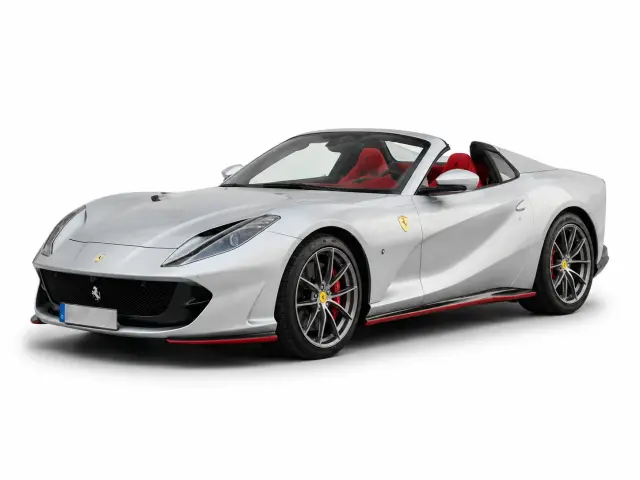
Rome's ZTL, the zona a traffico limitato, covers the historic centre, including Tridente, Trastevere and the Centro Storico. Enforcement relies on strict cameras, which means a driver who does not know the boundary can cross it with a single wrong turn off a main road. For anyone collecting a Ferrari or a Lamborghini, that is an expensive way to begin a stay. Permits and exact rules are matters for the city authorities, so any agency that guarantees a door-to-door drop inside the zone without explaining the permit behind it deserves a second question. A planned handover moves the car to a point where you can take the keys, hear a proper briefing and leave in the right direction. The boundary becomes part of the plan, not a surprise on the first morning.
Why kerbside promises in the centro fall apart
A promise of kerbside delivery beside the Colosseum is only as good as the permit behind it, and street parking in the centro is close to impossible even when access is allowed. Add scooters, delivery vans and lanes built long before wide-bodied cars, and a handover on the pavement turns into a hurried, stressful moment. The driver cannot stop for long, the briefing gets cut short, and the first kilometres are spent looking for a way out of the zone. Underground parking near Termini and the Vatican is the more realistic alternative for city stays. Hotels and residences outside the restricted perimeter allow the same service at a calmer pace, with time to check the car, the paperwork and the route ahead.
The 5 ways the ZTL shapes your handover
- Hotels near Via Veneto: the delivery point is chosen around the ZTL boundary by default, so the car meets you where access is workable and not where a map pin suggests.
- Residences in Prati: the Vatican-side streets suit a scheduled handover, with underground parking as the fallback when the street is full.
- Airport terminals: Fiumicino (FCO) lies 30 km west of the centre, about 45 minutes away, and Ciampino (CIA) is 15 km south-east, about 30 minutes. Name your airline terminal so the car is waiting at the right door.
- Civitavecchia port pickups: the A12 coast road covers the 65 km to Rome in about an hour, so cruise guests can be matched to ship timings and skip the centro entirely.
- The pre-key briefing: a local driver explains road conditions and ZTL edges before the keys change hands, which is worth more than any map.
Matching the car to the street
The ZTL is one reason Rome rewards choosing a car for the occasion and not one vehicle for every booking. For a Castelli Romani run along the SS218 toward Frascati, a GT such as the Mercedes Benz GT63 AMG Coupe suits the sweeping hill road. Tivoli's village streets and the Trastevere or Monti lanes ask for something narrower, since wide SUVs are a poor fit there. For EUR business transfers, a chauffeured sedan like the Maybach S580 keeps meetings on schedule, where a chauffeur is arranged. You can browse our fleet in Rome with seats, power and body type in view before settling on a handover point. The right pairing of car and address removes most of the friction.
Seasons, events and the safer airport handover
Timing changes the advice. Around Easter and major Vatican events, access to the centro tightens, and an airport or outer-district handover becomes the safer choice. April to June is the sweet spot for Castelli Romani wine villages near Lake Albano and for the A1 run north to Orvieto, about 120 km away, which works best as a full-day plan. Tivoli and Villa d'Este, 30 km east along the A24, are better in the morning, before afternoon traffic builds. The Amalfi Coast is a different matter: at 250+ km it is demanding as a day trip, and July and August congestion on the SS163 is severe, so an overnight stay is wiser. See our Rome driving guide for route framing by season.
Plan your drive
The best Rome itineraries are drawn from the car outward: where the keys change hands, which road comes first, and which day is kept free for the hills. Let the ZTL set the starting point and the rest falls into place. A calm handover at Via Veneto, Prati or an airport terminal leaves room for a Frascati lunch, a Tivoli morning or a quiet run to Orvieto, with no centro detour to unwind.