5 Deposit and Insurance Checks for Luxury Car Hire in Rome
Security deposits, insurance and return planning shape every luxury car rental in Rome. Learn what to ask about the card hold, cover, ZTL fines and handover points so the keys change hands without surprises.
Security deposits, insurance and return planning decide whether a luxury car rental in Rome feels effortless or irritating, and most of the friction can be removed before the keys change hands. Clients researching this topic usually want three answers: how much is held on the card, what the insurance really covers, and how the car comes back. This guide sets out what to ask, in what order, and why Rome's geography changes some of the answers.
How a security deposit works on a Rome rental
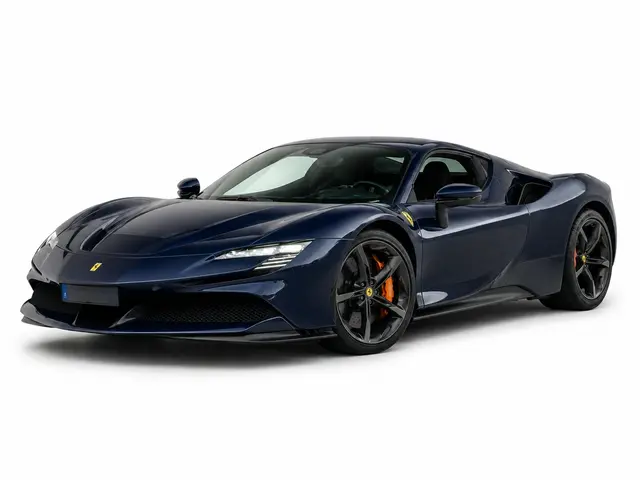
A security deposit is normally a hold placed against a payment card, not a charge. It exists so the agency is protected if the car comes back damaged, with an empty tank or with unpaid fines attached. The amount depends on the car, so a Mercedes Benz GT63 AMG Coupe and a Ferrari SF90 Stradale will not be treated identically.\nWhat matters is that the terms are explicit. Ask for the figure, the card type accepted, how the hold is released after return, and which deductions are possible. Traffic fines in Italy can be notified after a rental has ended, so ask how the agency handles a ZTL camera notice that arrives later. A reputable agency answers all of this in writing before you travel, not at the desk.
5 checks before you sign
Use this list as a short pre-handover routine. Each item takes minutes and removes a common source of dispute.
- Deposit terms in writing. Confirm the amount, the card required, and how and when the hold is released.
- Insurance excess and exclusions. Ask what you pay in the event of damage, and what is not covered, such as tyres, glass or wheels.
- Named drivers and licence. Check who may drive, and what licence and minimum age conditions apply to your chosen car.
- Fuel and mileage rules. Ask about the fuel level expected on return and whether a daily mileage allowance applies to your itinerary.
- Return time and place. Agree the exact location, whether a hotel, residence or airport terminal, and the time the car is inspected.
Insurance: read the briefing, not the brochure
Insurance on a high-performance car is rarely one simple line. Cover, excess and exclusions vary by vehicle and by agreement, so avoid assuming that a headline phrase means everything is included. Ask directly what happens if a wheel is kerbed on a hill-town street, if the underside is scraped, or if a tyre is damaged.\nA good handover includes a verbal briefing as well as paperwork. At Rome Super Car Rental, local drivers brief each client on road conditions before the keys are handed over, which is the moment to raise insurance questions with someone who knows the roads. If your route leaves Italy, ask separately about cross-border permission, because it should never be assumed.
Delivery, ZTL and where the handover really happens
Rome's historic centre, including the Tridente, Trastevere and the Centro Storico, is covered by strict ZTL cameras. For that reason, delivery is planned around the boundaries rather than promising kerbside drop-off at a monument. Typical handover points are a hotel on Via Veneto, a residence in Prati near the Vatican, the EUR business district, or an airport terminal at Fiumicino (FCO) or Ciampino (CIA).\nIf you arrive at an airport, name the airline and terminal. FCO lies about 30 km west of the city and CIA about 15 km to the south-east, so the choice affects your first hour. Around Easter and major Vatican events, centro access is restricted and an airport handover is the safer plan. Underground parking near Termini and the Vatican is realistic; street parking in the centro is not.
Matching the car and the route to the return
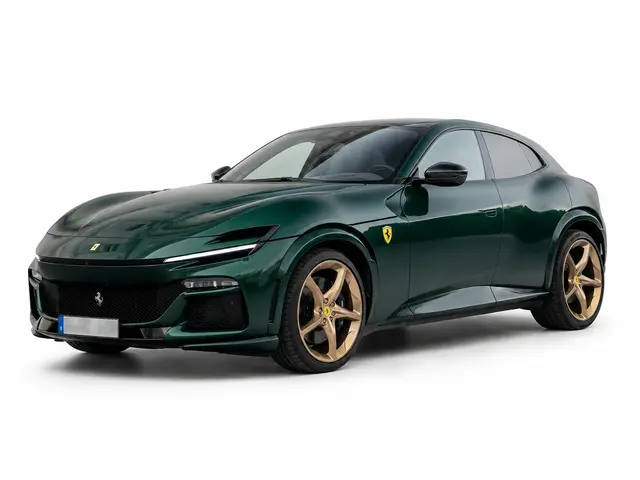
Return planning begins with the itinerary. A GT on the SS218 toward Frascati and the Castelli Romani is an easy half-day from EUR or Via Veneto, about 20 km out. A family heading to Tivoli and Villa d'Este on the A24 is better in a mid-size SUV for the village streets, and the Ferrari Purosangue Atelier or Mercedes Benz G63 suit longer runs with luggage and passengers. For EUR meetings and airport transfers, a chauffeured Maybach S580 removes parking and ZTL concerns entirely.\nFor Orvieto, about 120 km north on the A1, treat it as a full day and agree a realistic return time. Cruise guests collecting at Civitavecchia, about 65 km away, should fix the return to the ship's schedule. You can browse our fleet in Rome and see our Rome driving guide before choosing.
Arrival and departure days: sequencing the handover
The two busiest moments in any rental are the first and last hours. On arrival, allow time for the inspection walk-round, the deposit hold and the road briefing. Rushing these steps is what causes later disagreements about marks and fuel.\nOn departure, confirm the return point at least a day ahead, especially if you plan to hand back at Fiumicino airport with a flight to catch. Photograph the car at both ends, keep the fuel receipt, and ask for a signed return note. April to June is ideal for Castelli Romani and Umbria runs, while July and August bring heavy congestion on southern routes, so return times need more margin. Between November and March, rain can slow coastal drives, and a buffer before flights is sensible.
Plan your drive
The best rentals in Rome are decided before anyone touches a steering wheel. A clear deposit, an honest insurance briefing and a return plan built around ZTL boundaries leave your attention free for what you came for: the SS218 climbing toward Frascati, the morning road to Tivoli, an unhurried lunch above Lake Albano. Settle the details early, and the car becomes the simplest part of the trip.